
-
- BoldMast EnanMast PropNandro DecaNandro PPPrimobolanSustanonTest CypTest EnanTest propTren AceateTren BlendTren ETren Hex
- AnadrolAnavarArimidexClenbuterolClomidDianabolProvironStanozololT3Tadalifil
It is the mastermind behind controlling energy metabolism and muscle work
Views: 0 Author: Site Editor Publish Time: 2024-05-28 Origin: Site

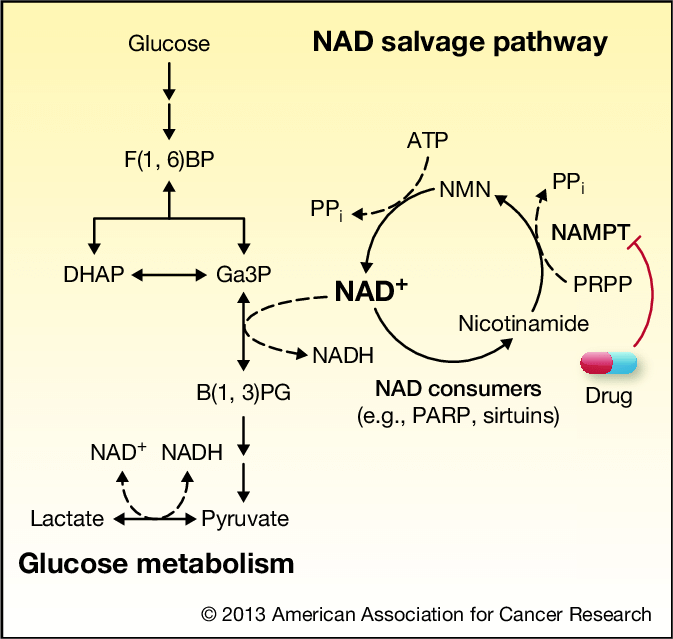
NAD (nicotinamide adenine dinucleotide) is a key coenzyme in energy metabolism, widely present in various living organisms. It has two forms, NAD+and NADH (hereinafter referred to as NAD). NAD plays a role in material metabolism by receiving and providing protons and electrons. Without NAD, electron transfer would be impossible, and the metabolism of all energy substrates would also stagnate. The following is a picture of the electron transfer chain process involved in NAD's involvement in glycolysis. When the aldehyde group of 3-phosphoglyceraldehyde is oxidized to a carboxyl group, the energy of the oxidation process is stored in the molecules of ATP. This process must involve NAD+participation
One of the key characteristics of skeletal muscle is its high adaptability. From an energy perspective, muscles can quickly initiate a catabolic metabolism mode and mobilize substrates to promote energy production during exercise or contraction. After exercise, they will immediately switch to a synthetic metabolism mode and upregulate synthetic metabolism signals through various pathways to promote substance synthesis and supplement substrate consumption. After substrate supplementation is completed, they will gradually return to a resting state.
Given that skeletal muscle is the main energy consuming organ, in order to meet its energy needs, its consumption of NAD is also enormous. NAD can be synthesized from within the body and can be synthesized in the liver, kidneys, skeletal muscles, and certain immune cells through raw materials such as tryptophan, niacin (i.e. vitamin B3), and niacinamide. For skeletal muscles, the synthesis of NAD relies more on the metabolic pathway of nicotinamide, as the synthesis of NAD through nicotinamide is faster and takes less time, essentially better meeting the energy needs of skeletal muscles.

As age increases, the NAD+content in human skeletal muscles that can accept electrons gradually decreases. Data shows that the NAD+content in the muscles of elderly people aged 65 to 80 is significantly lower, and the muscle strength and physical function of this age group are also significantly weaker than younger participants. In animal experiments, the NAD+content in the gastrocnemius muscle of 15-month-old mice was significantly lower than that of the 7-month-old control group. In another experiment, it was found that the NAD+content in the soleus muscle, quadriceps femoris, and gastrocnemius muscle of 25-month-old mice was 13% lower than that of the 3-month-old control group. Many experiments have shown a fact that increasing age leads to an increase in NAD+consumption.
For athletes, the growth, repair, and energy supply of skeletal muscles are the two most critical factors determining athletic performance, and NAD+has a profound impact on both aspects. Therefore, logically speaking, supplementing NAD+or raw materials to increase NAD+synthesis is a reasonable nutritional strategy. In fact, as early as 1995, there were studies on endurance athletes supplementing with NADH (in the form of NADH), which found that athletes who were supplemented had reduced oxygen consumption, increased respiratory quotient, decreased carbon dioxide exhalation, and decreased lactate levels during training. The reason for such significant changes may be due to the supplementation of NAD related supplements, which increased ATP supply levels. These changes suggest that athletes can more efficiently oxidize carbohydrates to provide energy for exercise performance and can sustain longer periods of exercise.

In addition to supplementing with supplements, NAD can also be supplemented through dietary nutrition. As we mentioned earlier, in addition to niacinamide, the precursor of NAD, tryptophan, also contains niacin. Therefore, supplementing foods rich in tryptophan and niacin can effectively increase the content of NAD in the body. Foods rich in tryptophan include dairy products, tuna, poultry, oats, nuts, whole wheat bread, chocolate, etc. Foods rich in niacin include red meat, poultry, fish, brown rice, nuts, beans, and bananas. In addition, exercise itself can also stimulate the body to increase the level of total NAD pool.


